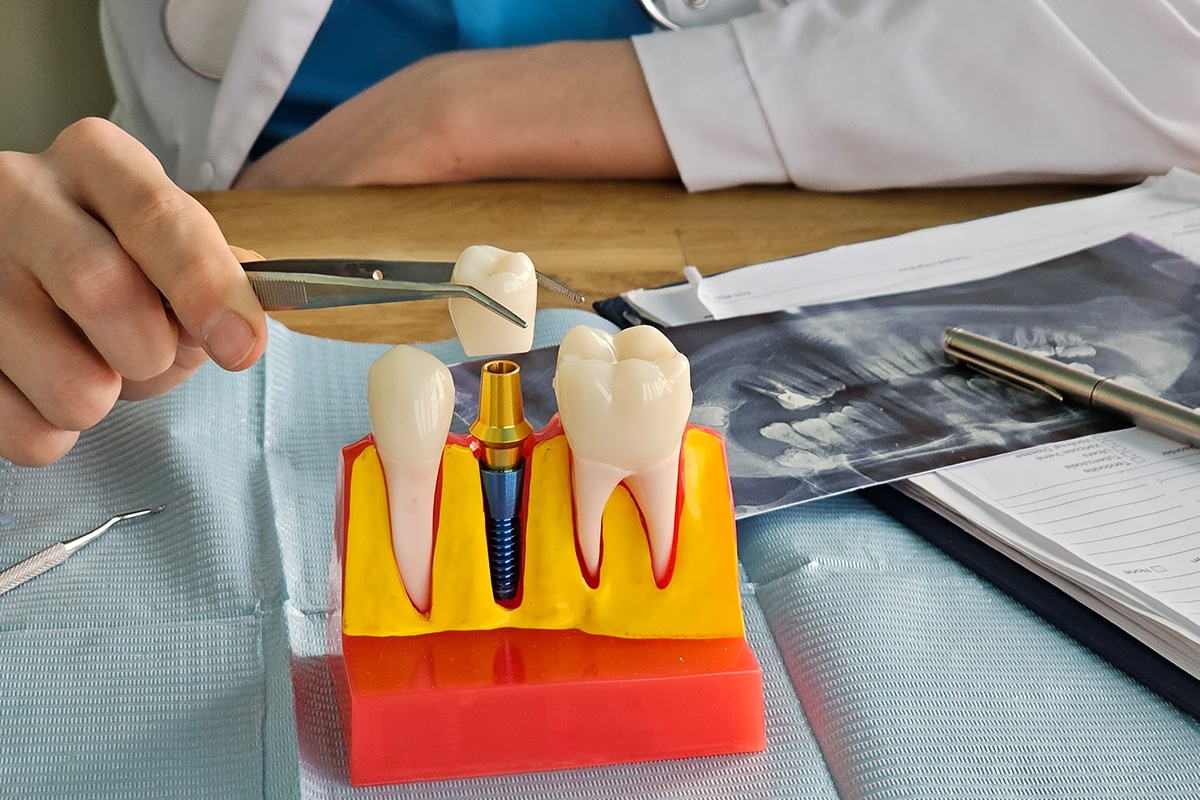
Dental implants are a common tooth replacement option used in dentistry. The procedure includes surgical placement of the implants in the jaw, which requires a recovery period for healing and osseointegration.
While dental implants are highly successful, after care and ongoing habits play a major role in long-term outcomes. By avoiding a few key mistakes you can protect your investment and ensure lasting results.
1. Neglecting Proper Oral Hygiene
Although dental implants are artificial and are not susceptible to decay, they still require consistent oral hygiene. Brushing, flossing, and professional dental cleanings are essential to preventing plaque buildup that can lead to gum disease and potential implant failure.
Poor oral hygiene can compromise the surrounding tissues, preventing adequate bonding between the implant and bone. This can result in loose implants that are not capable of supporting dental prosthetics such as crowns, bridges, and dentures.
2. Eating the Wrong Foods Too Soon
It is important to follow the post-procedure dietary guidelines provided by your periodontist. Avoid hard, crunchy, or sticky foods during the first few weeks following implant surgery as these foods can disrupt the healing process or damage the implant site during recovery. Do not eat in the area that the implant was placed.
Stick to a softer diet for the first few days to a week following implant placement. Foods such as yogurt, applesauce, mashed potatoes, and cottage cheese are good for the first 24-48 hours.
3. Skipping Follow-Up Appointments
Be sure to attend all scheduled follow-up appointments after implant surgery. Regular check-ups with a periodontist are essential for monitoring healing and long-term implant success. Early detection of issues can prevent complications that can slow the healing process.
Work with your periodontist’s office to plan visits that are convenient for you and that fit into your schedule. This makes it easier to keep up with appointments and ensure you get the necessary follow-up care you need to heal and recover.
4. Using Tobacco Products
It is important to be aware of how smoking and tobacco use negatively impacts healing, increases infection risk, and reduces implant success rates. These habits reduce circulation that prevents the tissues from healing and inhibits the process of osseointegration between the implant and bone.
For assistance with reducing or quitting tobacco use, please talk to your periodontist or your primary care physician for more information.
5. Ignoring Warning Signs
If you experience any unusual symptoms following dental implant placement, contact your periodontist. Symptoms that indicate dental implant issues include ongoing pain, swelling, or bleeding beyond the normal recovery period.
Loose implants or implant components are other signs that should not be ignored. Contact your periodontist right away.
Protect Your Investment with Smart Implant Care
Never underestimate the importance of proper care and awareness after dental implant placement. Avoiding these 5 common mistakes can help ensure a strong, healthy, and long-lasting result.
Proper placement by an experienced endodontist is another key factor in dental implant success. Trust the experts at Progressive Periodontics and Implant Dentistry and contact us to schedule a consultation today. Through the use of advanced technology and personalized treatment plans we provide quality care in a comfortable setting.
Frequently Asked Questions About Dental Implants
How long does it take for dental implants to fully heal?
Healing typically takes several months, depending on the individual and the complexity of the procedure. Your provider will monitor progress and guide you through each stage.
Can dental implants fail if not cared for properly?
Yes, poor oral hygiene, smoking, and missed appointments can increase the risk of implant failure. Proper care significantly improves long-term success.
When can I return to a normal diet after dental implants?
Most patients can gradually return to normal foods after initial healing, but timing varies. Always follow your provider’s specific recommendations.
Are dental implants permanent?
Dental implants are designed to be long-lasting, often decades or more, with proper care and maintenance.
Do dental implants require special cleaning tools?
While standard brushing and flossing are essential, your provider may recommend specialized tools like interdental brushes or water flossers for optimal care.
At Progressive Periodontics and Implant Dentistry, we are dedicated to helping our patients achieve lasting oral health through advanced periodontal and implant care. Our team combines experience, precision, and personalized attention to ensure every treatment supports long-term success. If you have questions about dental implants or your recovery, contact us today.